Dissertation
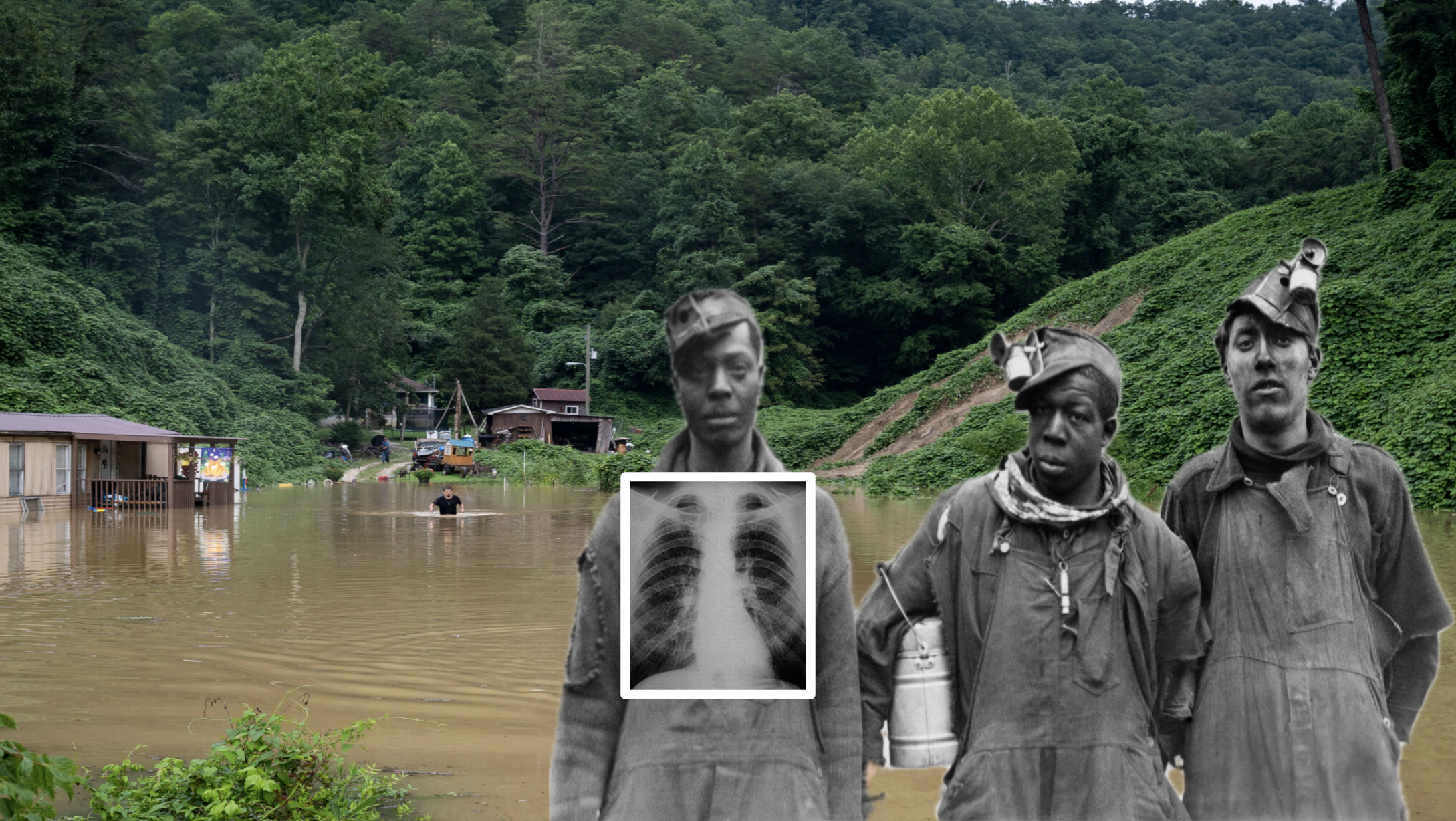
My dissertation, “Mining the Body: Racial Capitalism and the Embodied Sacrifice Zone,” considers the intersections of the concept of an environmental “sacrifice zone” through authorial representations of the bodily sacrifice inherent to mining. Here, I employ different genres and types of media—including memoir, oral histories, and documentary—to highlight the myriad ways that environmental activists use artistic forms to render visible oft-concealed corporeal and environmental damage.
My work examines the ways in which Upton Sinclair’s King Coal and Jack Conroy’s The Disinherited present activist resistance to the hegemony of coal companies and their control over working class lives and bodies, arguing that company refusal to implement new safety technologies spurred activism and organized resistance. My discussion of these texts centers literature and media’s depictions of the role immigrant miners played in activist work and resistance to the exploitation of coal companies, exploring how the First World War’s reliance on energy produced by coal facilitated the expansion of industrial mining and served as fuel for unionizing efforts and martial suppression of such.
I read Ralph Ellison’s The Invisible Man alongside Yaa Gyasi’s novel Homegoing and Robert Armstead’s memoir Black Days, Black Dust in transitioning my dissertation from the way that white writers presented people of different races and ethnicities, specifically immigrants, to twenty-first century narratives that seek to reclaim and recenter the roles of Black miners in the coalfields. Examining these two works in concert with oral histories of Black coal miners and the Appalshop documentary Long Journey Home provides a fuller rendering of the role of Black miners living and working in the region of the U.S. South and the Mountain South.
My dissertation also focuses on feminist resistance to the exploitations wrought by coal mining as described in Myra Page’s Daughter of the Hills: A Novel of the Thirties, which serves as the center of my reading of women’s roles in mining activism—I turn to this text alongside later examples of feminist activism in nonfiction and documentary, such as Jessica Wilkerson’s To Live Here, You Have to Fight and Barbara Kopple’s Harlan County, U.S.A., suggesting that we see this type of activism occurring transregionally as a throughline throughout the twentieth century. I suggest that these narratives represent the interconnected interests of gender, race, and class in countering capitalist use of people as commodities, allowing us to consider the ways feminist labor literature represented the intersection of other modes of activism.